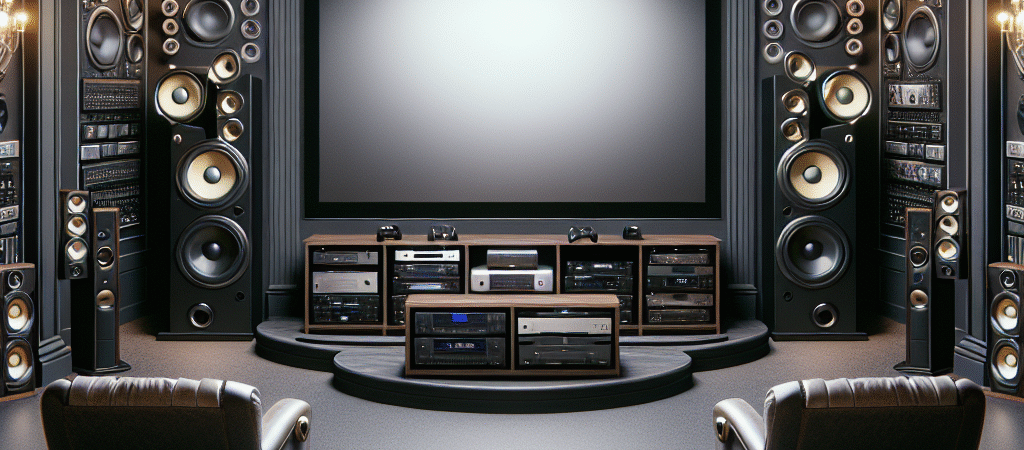
Home theater systems provide a high-quality entertainment experience right in your comfort zone. Understanding the basics of these systems can help you choose the ideal setup for your home and enhance your overall viewing and listening experience.
One critical component of a home theater system is the television or projector. The size, type, and quality of your display can significantly affect your viewing experience. High-definition (HD) and 4K Ultra HD TVs are currently popular choices because they offer excellent picture quality. Alternatively, you may opt for a projector if you have ample space to create a dedicated home theater room.
Another vital part of any home theater system is the audio setup. This usually consists of speakers and an audio receiver. The common configurations include 5.1 and 7.1 systems, where the first number refers to the number of main speakers that produce regular audio, while the second represents the subwoofers that generate low-frequency sounds or bass.
The 5.1 speaker system typically includes front left, center, front right, surround left, surround right speakers along with one subwoofer. On the other hand, a 7.1 system adds two additional speakers to provide an even more immersive sound experience.
The receiver plays an essential role in managing different components of your home theater system. It acts as a hub that connects all devices together – including your TV or projector, speakers, Blu-ray player, gaming console etc., ensuring they work together seamlessly.
When it comes to video sources for your home theater system, there are several options available ranging from traditional cable/satellite TV to game consoles and streaming devices like Roku or Apple TV. Blu-ray players are also common as they offer superior video quality compared to DVDs.
In addition to these basic components, there are optional accessories you can consider incorporating into your home theater setup depending on personal preference or specific needs such as soundbars for enhanced audio quality or universal remotes for easy control of all devices.
When setting up your home theater system, room design and layout are also important factors to consider. The placement of the speakers, seating arrangements, and the distance from the screen can significantly affect the viewing and listening experience. For instance, for optimal sound quality, speakers should not be placed too close to walls or corners.
Lighting is another crucial aspect that often gets overlooked. Too much light can cause glare on the screen, while too little might strain the eyes. Adjustable lighting or blackout curtains can help create an ideal viewing environment.
In summary, understanding the basics of home theater systems can greatly enhance your entertainment experience at home. From choosing the right display and audio setup to considering room design and lighting conditions, there are several factors to consider when setting up a home theater system. With careful planning and consideration of these basic components, you can create a cinematic experience right in your own living room.